

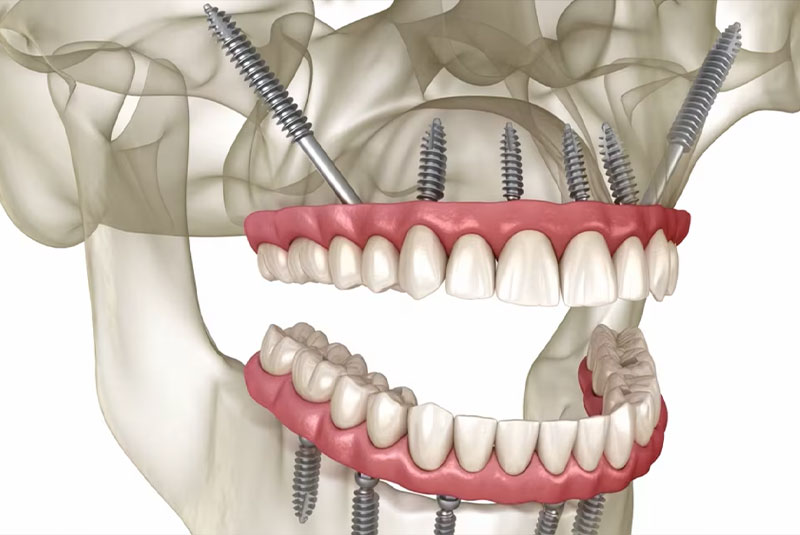
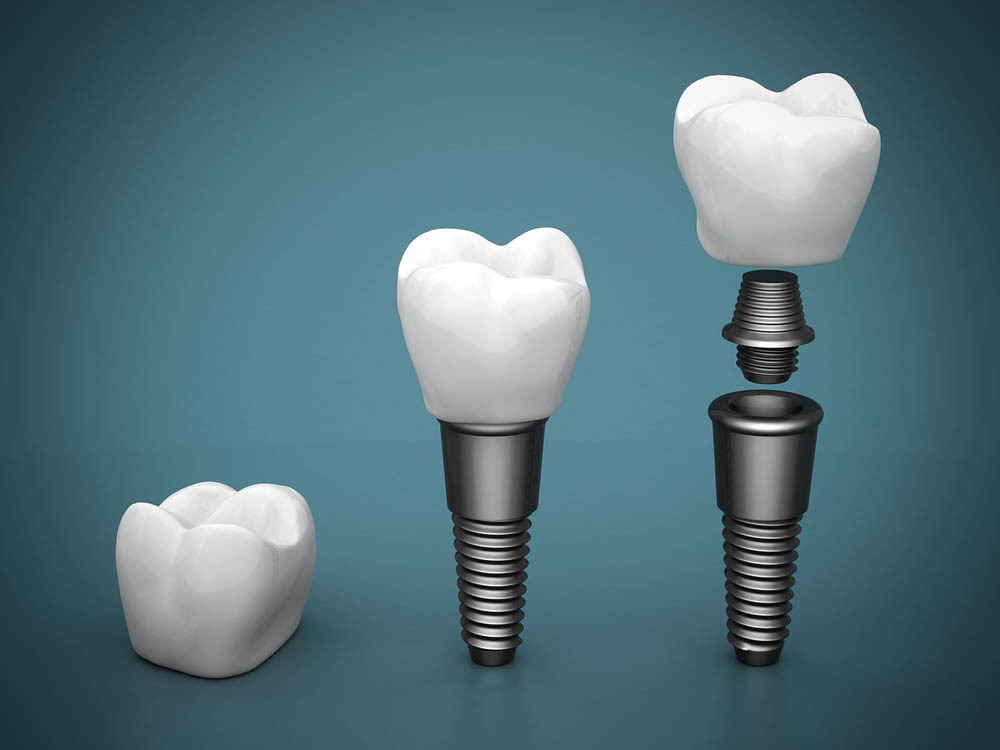
Some patients do not initially have enough bone to support conventional dental implants. Bone loss may occur after tooth loss, periodontal disease, previous infections, or as part of the natural changes that occur when teeth have been missing for a long time.
Bone grafting and sinus lift procedures are advanced techniques used to increase or preserve bone volume in selected areas before or during dental implant treatment.
How Bone Grafting and Sinus Lift Procedures Work
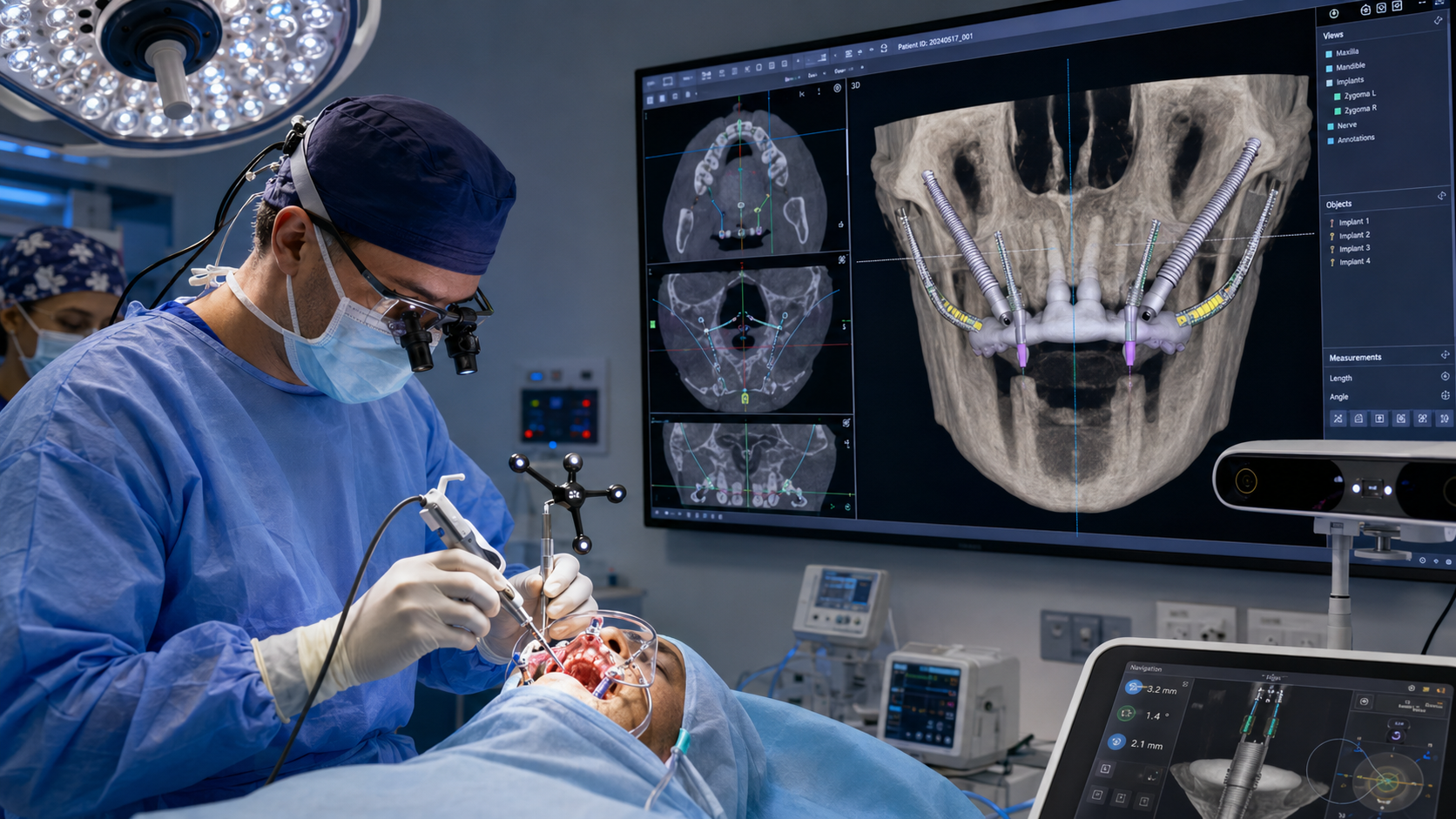
- 3D imaging to measure available bone volume
- Detailed evaluation of the implant site
- Selection of the appropriate bone augmentation technique
- Placement of bone grafting material where additional volume is required
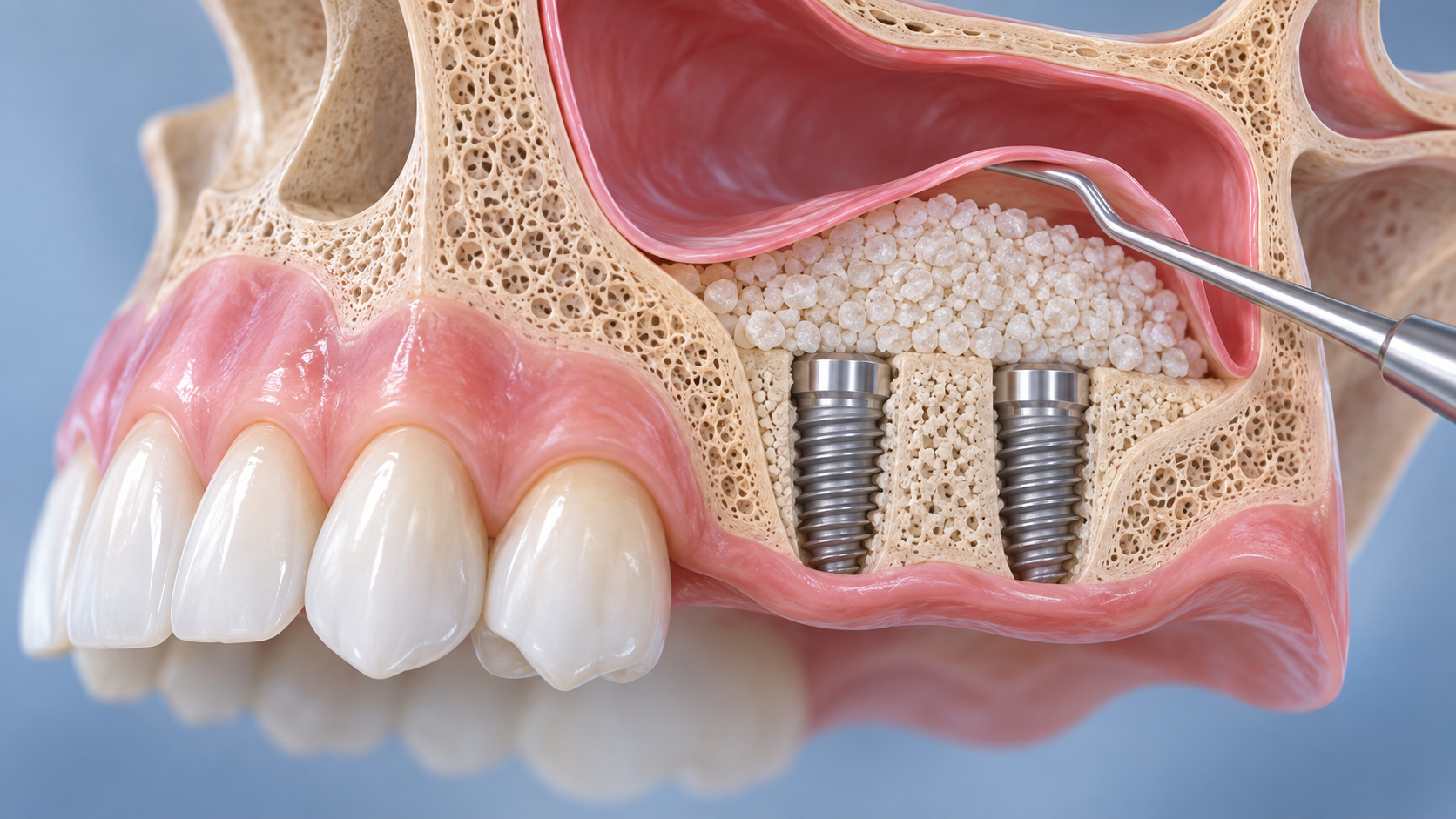
- Sinus membrane elevation when additional bone height is needed in the upper posterior jaw
- Healing period to allow the grafted area to stabilise
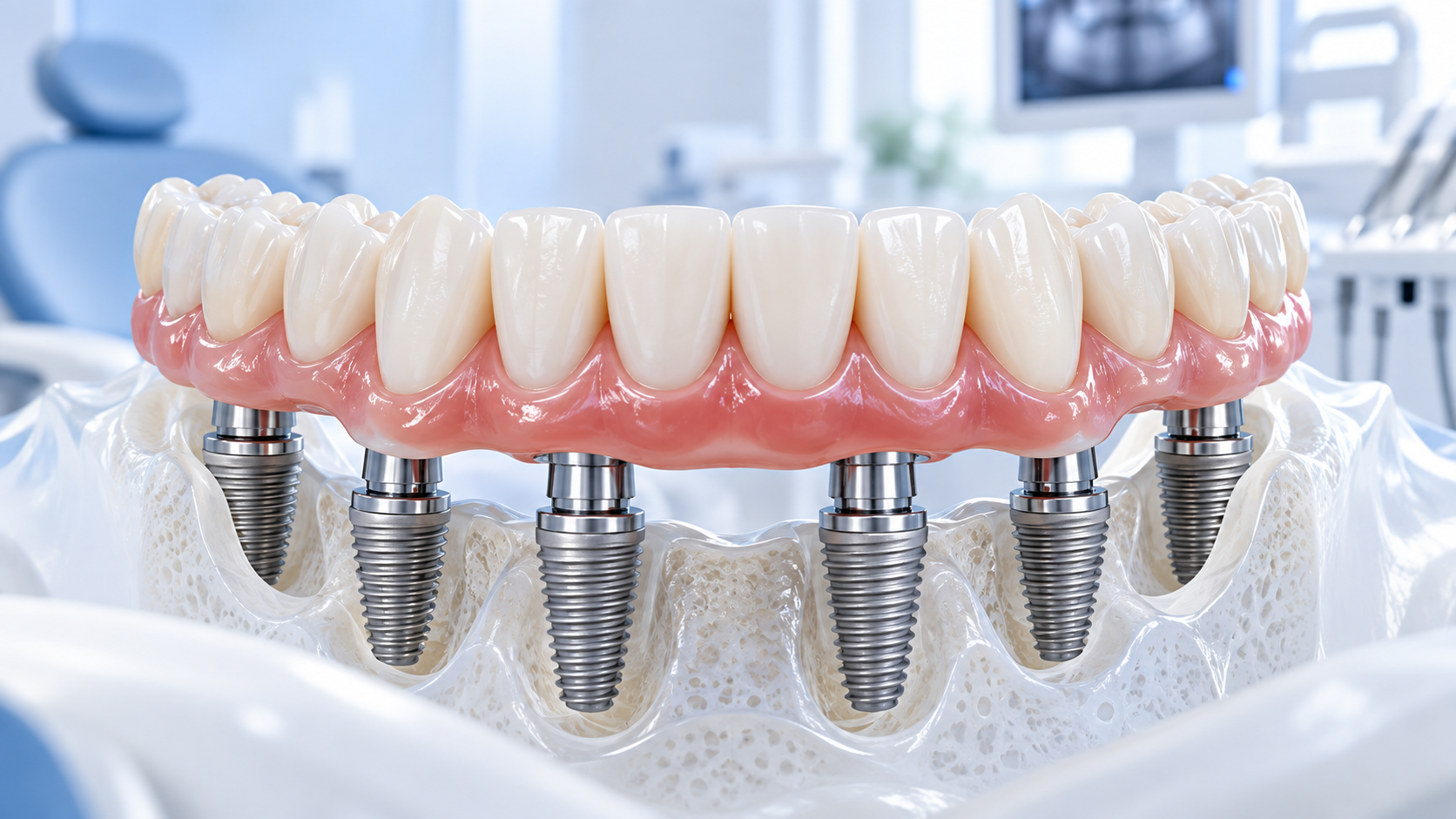
- Dental implant placement according to the treatment plan
- Follow-up imaging and clinical monitoring
A sinus lift is commonly used in the upper back jaw where the maxillary sinus may limit the amount of available bone for implant placement. Bone grafting may also be used in other areas where bone width or height is insufficient.
Key Benefits of Bone Grafting & Sinus Lift
- Helps create sufficient bone volume for dental implant placement
- Can make conventional implant treatment possible in selected cases
- Supports long-term implant stability
- Helps rebuild areas affected by bone loss
- Enables more precise implant positioning
- Can be combined with implant placement in suitable cases
Not every patient requires bone grafting or a sinus lift. At ICE ALB Smiles, 3D diagnostic imaging is used to evaluate the available bone and determine whether additional procedures are necessary before implant treatment.